





by Trevor Bevins, Local Democracy Reporting Service
AN independent report into the relationship between Dorset councils has led to widespread upset.
Claims have been made than new ways of working between the different council tiers could be a backdoor way for the smaller councils to impose above inflation precept increases to take on some Dorset Council work which it claims it can no longer afford.
Some town and parish councillors feel they have been snubbed by the report which has been seen as critical of their willingness to ‘step up’ and take on more responsibilities – together with a suggestion that many need more training to carry out their roles.
The report has also upset members of the previous Conservative administration with claims that it lacked the willingness to improve relations between councils and was slow to take decisions on the transfer to town and parish councils of some Dorset Council assets.
It is only in the coming week, under the Lib Dem’ administration, that a complete list of assets will be made available to each town and parish council – although property portfolio holder Cllr Richard Biggs, says there will be no obligation for the smaller councils to take on anything extra.
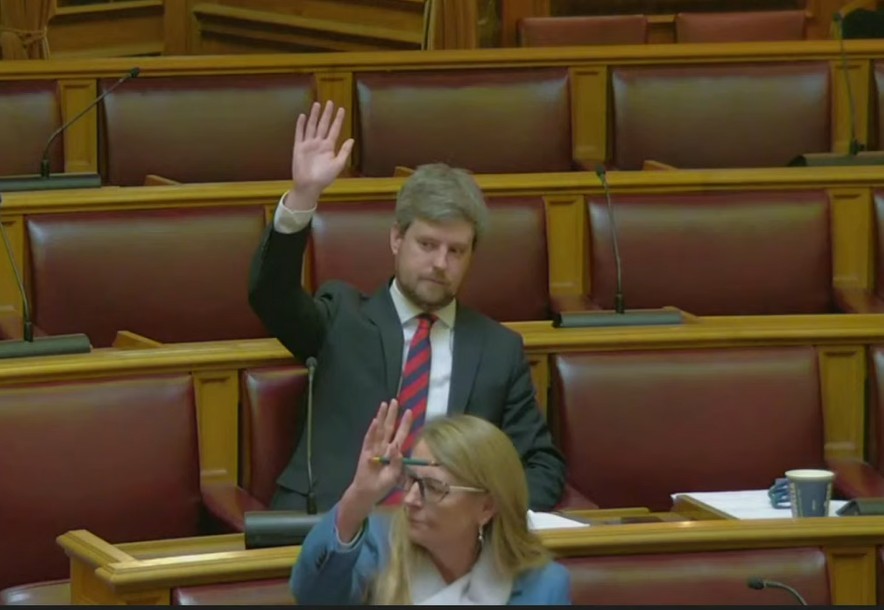
Conservative councillor Sherry Jespersen said that move to persuade smaller councils to take on assets and services could be seen as a way dodging Dorset Council extra expenditure.
She said that while council tax for Dorset Council was capped by the Government, unless it went to a referendum, parish precepts had no limits to increases.
She told a scrutiny committee meeting on Monday: “I don’t like the underlying suggestion that town and parish councils should be required to raise their precepts to make up for shortfalls in funding for Place Services… You don’t go from saying Place Services are under-funded to shifting that problem onto our tiny town and parish councils and that they must raise their precepts.
The notion that residents would be happy with wholesale raising of precepts in the current context of the cost of living crisis that our residents are facing is unacceptable to me.”
The meeting also saw opposition to the suggestion of setting up Area Boards to improve relationships between town and parish councils and Dorset Council.
Charminster councillor, David Taylor, said he disagreed with his own party on the issue:
“This report offers something I don’t need. I have a good rapport locally and I won’t support this… it’s already being done. Why do we need this? I don’t look at this as a way of going forward.”
But the party’s communities spokesman Cllr Ryan Hope, said the idea might bridge gaps between the different levels of councils and offer more power for those smaller councils who wanted it.
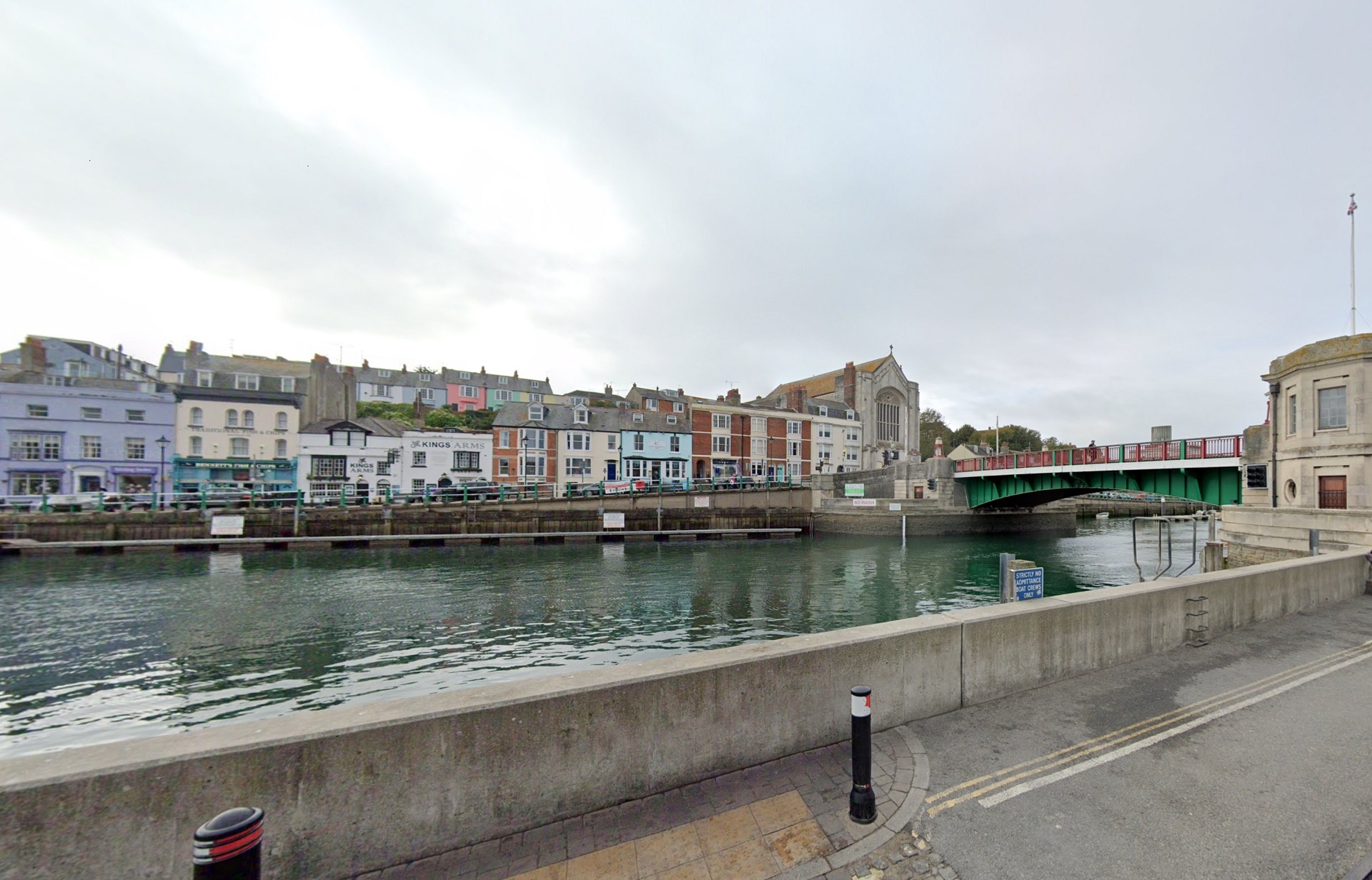
He said in his own area, Weymouth, the town council was keen to improve on some services, including verge cutting, while other areas would have their own issues.
“We have towns and parishes desperate to do more and there are some where further work is needed … it’s not going to force anyone to do anything they don’t want to,” he said.
He also defended the background paper as a report from independent academics which had spoken to select councils and individuals about relationships between the different levels of councils.
“If we are not going to listen to the frustrations, how are we ever going to address it?” he said.
Several councillors complained that they did not recognise sections of the report which were critical of the last administration’s relationships with town and parish councils and said they saw no evidence of some ward councillors not listening to their local town and parish councils.
Sturminster Newton councillor Carole Jones said if there were ward members not listening to town and parishes they should be “called out.”
Neil Wedge, the chief executive of Dorset Association of Town and Parish Council said he believed that some lower tier councillors needed more training to carry out their roles effectively, but said he recognised many might not want that and there would remain councils which would not want to take on more duties and increase their precept in doing so.
“The parish and town council tier have felt a little disenfranchised since the creation of the unitary council. I’m happy to stand by those comments. I get regular feedback on that basis,” he said.
Former Dorset Council chairman, Cllr Val Pothecary, a Gillingham town councillor for 25 years, said the calls for town and parish councillors to do more could back-fire: “They don’t want big brother breathing down their necks, to say they’ll have to do more training,” she said… “There’s a lot of small parish councillors who do a lot of heavy lifting… I would not like them to think their efforts are shabby, I just don’t want them to feel too overburdened so they step down.”
Verwood councillor Simon Gibson, who has been a town councillor since he was 18, said he disagreed with much of the “Fresh Start” report : “I don’t recognise a lot of what I see in it … it worries me.. it is terrible, I disagree with so much of it, especially its tone, it’s just a chastising report all round.”
He said that while many town and parish councils were happy to take on former Dorset Council assets, it was the speed of change which was often the problem: “They want quicker asset transfers – many feel they are being gas lit into taking on things they don’t know whether they will be able to afford or not,” he said.
His recommendation not to endorse the paper to Dorset Council’s Cabinet was accepted on 4-2 vote, against officer’ recommendations.