Tip: Click the icon at top right to display images in full-screen
The Community Radio Station covering Central-Southern Dorset, run by volunteers and not-for-profit









Staff and governors from Dorset County Hospital (DCH) are encouraging people to talk to their families about organ donation after experiencing first-hand the difference it can make.
Nationally, someone dies every day in the need of an organ, and there are over 8,000 people currently on the active transplant waiting list.
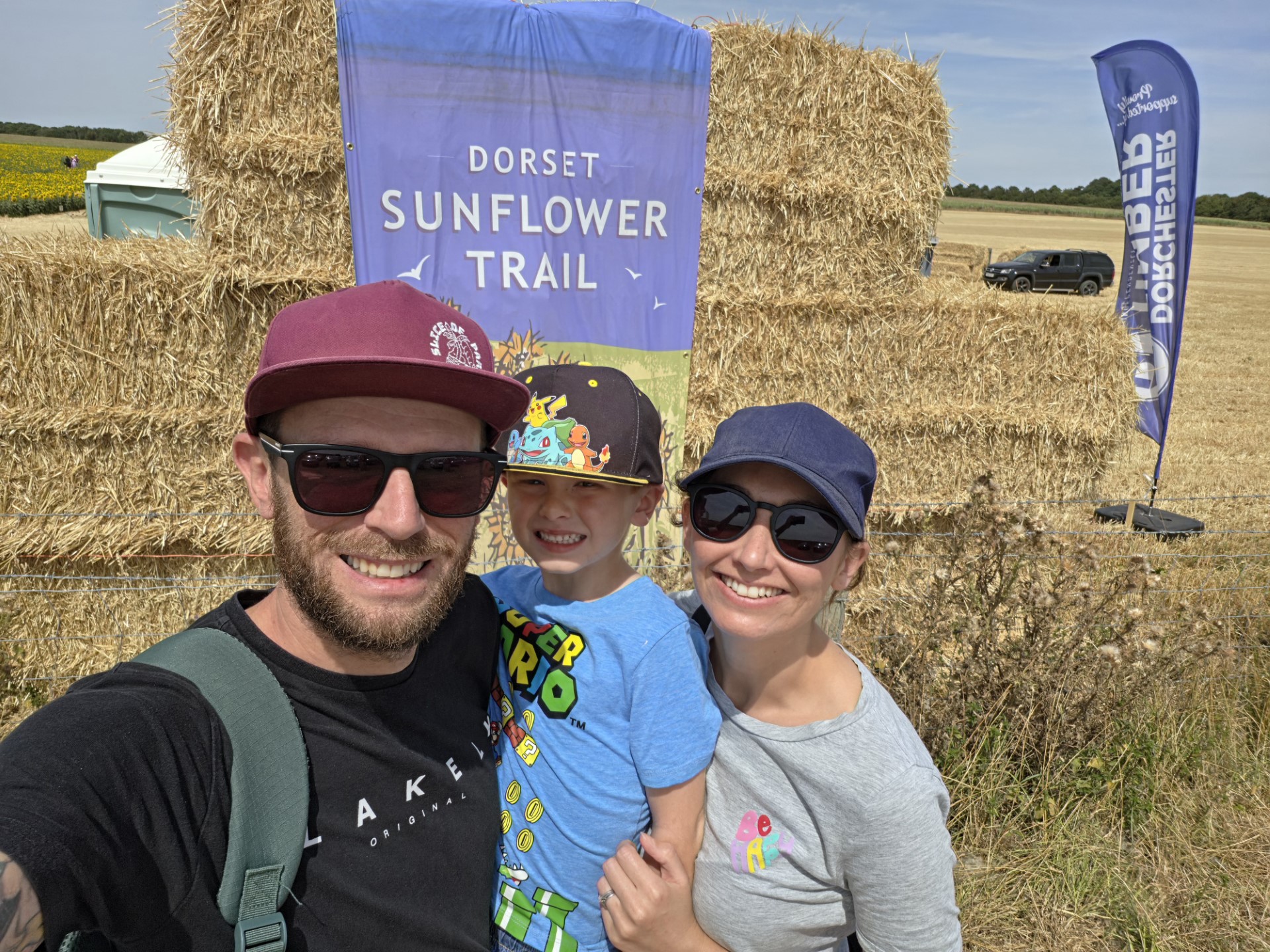
Service Manager Jon Fox received a liver transplant as a child and Human Resources Manager Kelly Upton’s son received a liver transplant at the age of seven. Governors Kathryn Harrison and Lynn Taylor both donated one of their kidneys to save lives.
They are sharing their experiences as part of national Organ Donation Week (21- 27 September) and are asking families to talk to each other about their wishes.
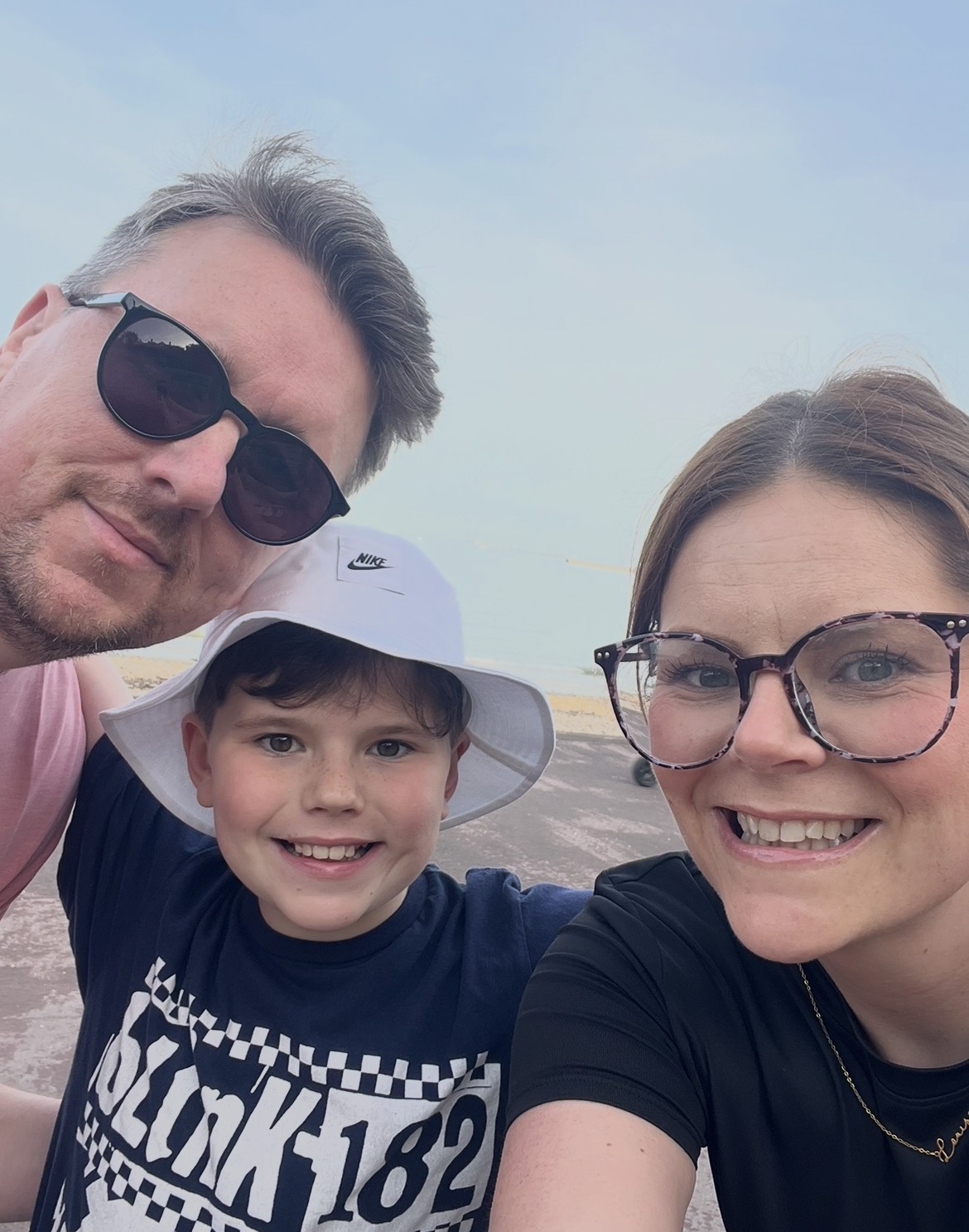
Kelly’s son, Louis, has a rare genetic condition and received a transplant in 2021. She said:
“Organ donation has had a life changing impact on Louis, improving his health, enhancing his quality of life, and providing him with opportunities that may not have been possible otherwise.
“Seeing first-hand the difference a transplant can make has made me incredibly passionate about raising awareness of organ donation and encouraging people to have conversations about it with their loved ones.
“Every year, we take time to remember and honour Louis’ donor. It brings a huge range of emotions, and we are immensely grateful that our family received such an extraordinary gift, while also recognising that another family experienced the devastating loss of a loved one. Their generosity has given Louis a chance to live his life to the fullest, and that is something we never take for granted.
“Although it can be difficult to think about, talking about organ donation is so important. It has the power to transform and save lives, and I feel strongly that the more people understand the impact donation can have, the more lives can be changed.”
Jon received a life-saving transplant in 1997 and is passionate about encouraging families to talk about organ donation. He said:
“Just one donor can possibly save nine lives – which is incredible. It’s not a conversation that anybody wants to have, but it’s important to talk with your loved ones so they know your wishes. Without telling loved ones, they may never understand your views around donation and, at the point where the most difficult decision has to be made, your family could stop this – even though it is something that you are passionate about.
“I’ll never be able to thank my donor family enough and I’m incredibly grateful for that gift. It’s made me who I am today, and I don’t take anything for granted.”
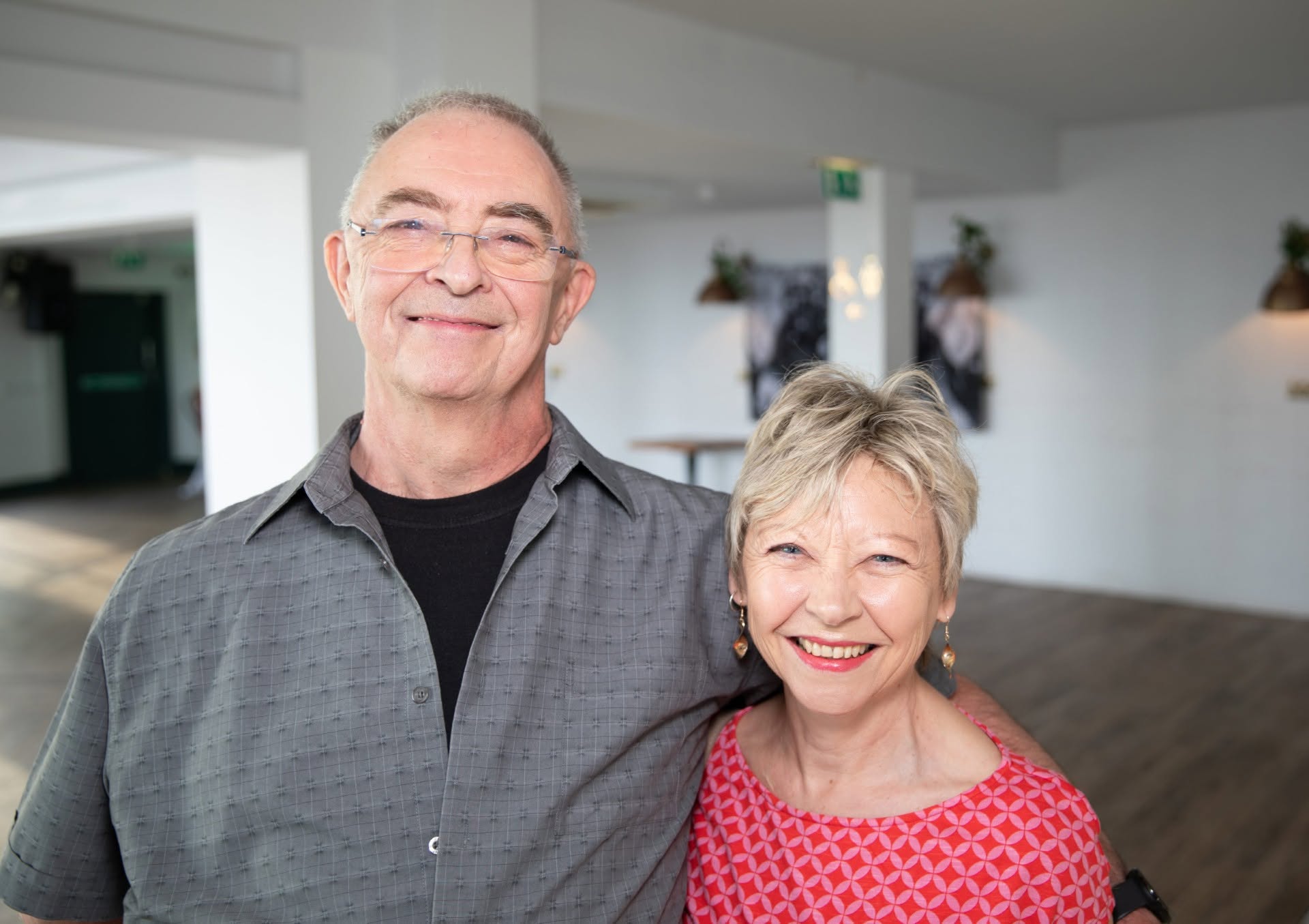
Lynn donated one of her kidneys to a stranger in need. At the age of 75 and having been a blood donor for 50 years, Lynn wanted to do more. With her mind made up, she became a non-directed altruistic donor and helped transform someone’s life. Lynn said she “felt no different” with one kidney and was glad to have made her decision.
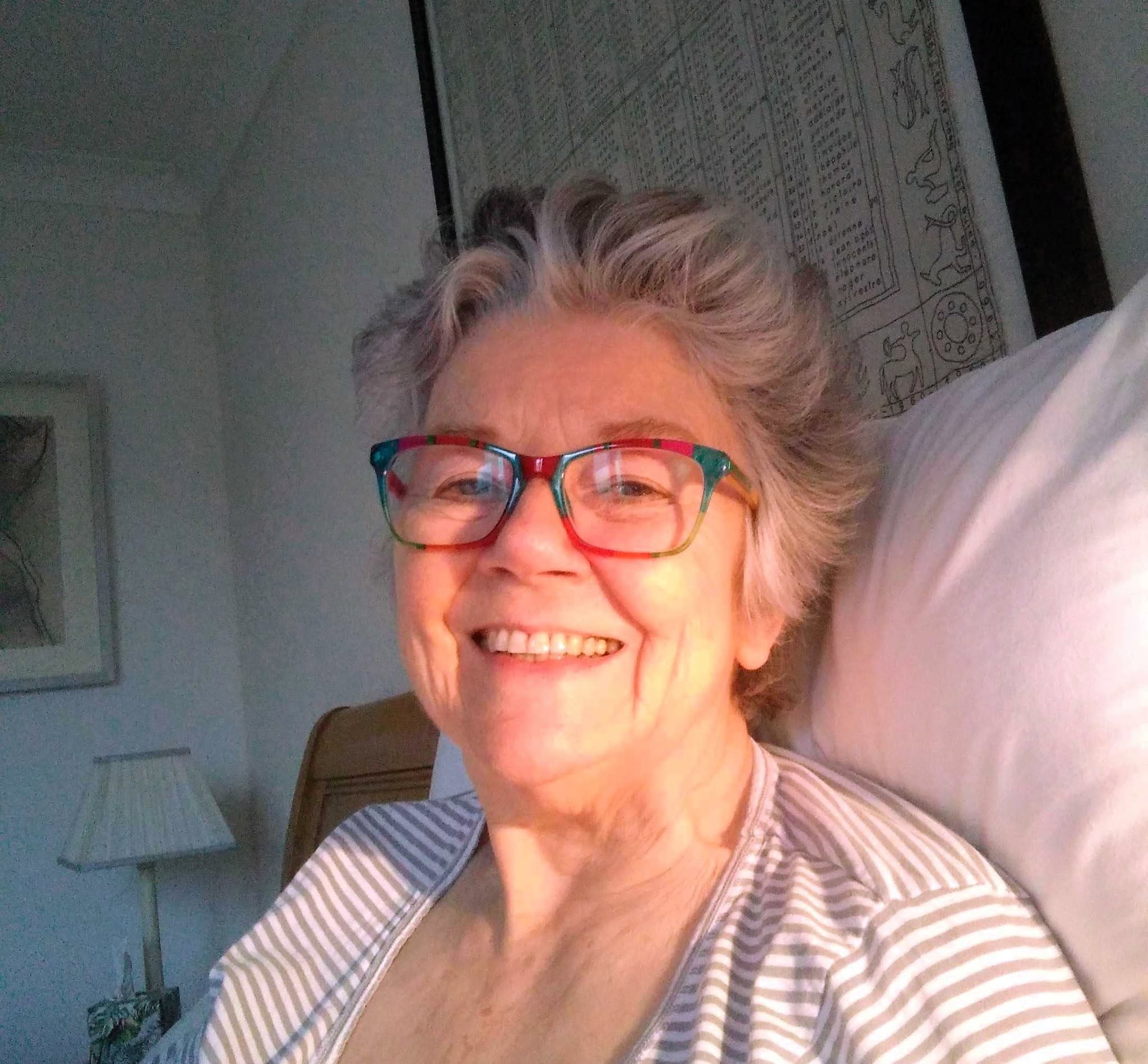
Lead Governor Kathryn was a live kidney donor for her husband Ian, who was diagnosed with polycystic kidney disease when he was just 34. As the disease progressed, Kathryn underwent tests and was a match.
Kathryn said: “Every day I see the difference a donated organ makes to someone’s life and, by extension, to the lives of those around them. If you would be willing to donate your organs when you no longer need them, please have that conversation with your family now.”
Find out more about organ donation and register your decision at: www.organdonation.nhs.uk
Who we are
Our website address is: http://www.keep106.com. Keep 106 is the broadcasting name of Ridgeway Community Radio CIC (Community Interest Company) registered at Companies House.
Our postal address is: Ridgeway Community Radio, The Little Keep, Barrack Road, Dorchester, Dorset DT1 1SQ
What data we collect and why we collect it:
Contact form
The contact forms are purely for site visitors' convenience. When a visitor fills in the form and clicks Submit the contents of the form are sent to us in an email. The contact information which the visitor has submitted is used so that we can reply to them. This also applies to occasional competition forms.
We will not engage in email marketing to individuals but may email companies with offers to advertise on or sponsor our radio programmes.
If you use our self-service form for submitting events to the Local Events Diary on our ‘What’s On’ page, you will normally supply your organisation name or personal name, together with a contact email address, phone number and the location of the event. These details are required purely for the convenience of our visitors and to publicise your event free of charge. After the event has taken place and the listing has expired the details are deleted. We do not retain the details for any reason.
Other non-personal information which is collected:
Analytics
We use Google Analytics which registers a unique ID that is used to generate statistical data on how the visitor uses the website. Also, data is sent to Google Analytics about the visitor's device and behaviour, and tracks the visitor across devices and marketing channels.
Cookies
We use cookies to provide social media features and to analyse our traffic. We also share information about your use of our site with our social media and analytics partners who may combine it with other information that you’ve provided to them or that they’ve collected from your use of their services. You consent to our cookies if you continue to use our website.
If you wish to change your cookie preferences select a category on the left and either enable or disable it.
Listening online
If you listen to our station online - for example, via our web player, the Tunein app (or any other app which lists KeeP 106) or on a smart speaker - your IP address and approximate location (e.g. town or city) is shown to us. Amongst other non-personal statistics, the streaming system records the maximum number of simultaneous listeners during any specific period, e.g. a year quarter. We are required to submit this information to the music licencing organisations. We don't collect any other information.
Linked or embedded content from other websites
Some of our ‘Listen Again’ audio material is hosted by Mixcloud which is clearly shown on individual players where appropriate. When you listen to one of these audio items Mixcloud records that you have clicked the play button and also your approximate location (town or city).
Material on this site may include linked or embedded content (e.g. Google Calendar, Google Maps, videos, images, articles, etc.). Some material may contain links to external websites which, when clicked on, will open a different website. These websites may collect data about you, use cookies, embed additional third-party tracking, and monitor your interaction with that embedded content, including tracking your interaction with the embedded content if you have an account and are logged in to that website. Please refer to the privacy policies of these external websites for more information.
Please note, we provide links to other websites as a service to the community. We believe these external websites will be useful to our listeners and web visitors. However, you visit these websites at your own risk - KeeP 106 accepts no responsibility for them.
This is a necessary category.
This is a non-necessary category.