



Trevor Bevins, Local Democracy Reporter.
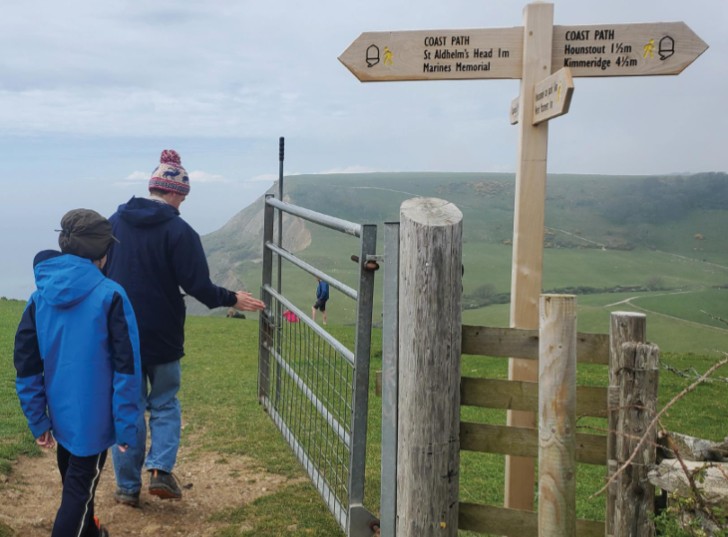
Dorset’s 3,000 miles of rights of way are helping boost the county’s tourism income – and helping keep village pubs open.
The comments come from Cllr Roland Tarr, the author of a book on the South West Coast Path and footpaths in other areas.
“Dorset has one of the best rights of way networks in Britain, and possibly in Europe. It has a long tradition of maintaining these rights of way well, and it earns us enormous amounts of money. It’s a good county to go walking in; we get 2.4 million visitors a year… that’s big money, and a lot of village pubs are still open because people come there to walk. There are enormous advantages in having a good rights of way system and keeping it up,” said the Broadmayne councillors.
His comments came during a discussion on the county’s Rights of Way Improvement Plan, which was unanimously approved by the Place & Resources Overview committee meeting in Dorchester on Thursday.
But although most comments were positive, several councillors criticised delays in adding to or changing the definitive map for the county, the delays often amounting to more than a decade.
Committee members backed a call for more money for the mapping team.
Giles Nicholson, service manager for coast and green spaces, admitted that fulfilling everything in the plan would require additional funding, but said he was hopeful of finding additional income, which could sometimes be won by bidding for Government money.
He said the plan, which is expected to be signed off in December, has four strategic aims: to create a high-quality network, provide accessible, inclusive access, support communities and the economy, and connect with wider Dorset Council objectives such as nature and health.
Cllr Alex Brenton, who sits on the Dorset Local Access Forum, said while the plan was widely welcomed, she believed it should have included how the network would cope with a changing climate – from wetter winters to flooding.
She and Charmouth and Lyme Regis councillor, Belinda Bawden, both said they worried about the lack of links from one footpath to another, often putting walkers on country lanes with no pavements, or even having to cross dual carriageways.