



Trevor Bevins, Local Democracy Reporter.
Volunteers are making a big difference in communities across Dorset but a public health and wellbeing committee meeting heard that more could be achieved.
A new programme is helping to strengthen connections between community groups and health and care services, with a focus for the past year on north Dorset, Purbeck, and Weymouth.
The Thriving Communities programme is part of the Dorset Place-Based Partnership Framework and aims to support and sustain the work of grassroots volunteer-led organisations.
Lynita Harris, chief executive officer at the Volunteer Centre in Dorchester, said: “There are lots of community-based groups which operate quietly with dedicated small groups of volunteers.
“They cost little.”
She said many of the groups are not widely known, even by those who might benefit from their services.
Ms Harris said: “They act as a vital bridge between communities and wider health and care services.
“Many don’t want to grow or formalise and sometimes are wary of outside help and say they’re doing fine.
“But once they let us in, we find groups often have no succession planning, low participation, lack governance and are often unknown to referrers or people who could benefit.”
She stressed the importance of moving “at the pace of trust” and using an asset-based community development (ABCD) approach.
This approach focuses on building on existing community strengths rather than identifying what is missing.
Ms Harris said: “Just because these assets exist it doesn’t mean that they visible, connected or being used to their full potential.”
Eight area-based Dorset Connect voluntary networks have been established.
While funding is important, Ms Harris noted that “Money nor always necessarily the answer.”
Small grants have already supported a number of local projects.
In Weymouth, the Love Dogs group used funding to purchase a gazebo to raise awareness.
In Swanage, Linking Lives developed accessible outings, and the Vale Family Hub launched a lunch club to tackle isolation.
Ms Harris said: “It is sometimes the smallest interventions which can make the biggest difference.”
The first year of the programme has provided valuable learning from the community itself.
Ms Harris said: “In some ways, it has re-affirmed what we thought; in other ways has challenged what we thought.
“We’ve had to re-think what support means.
“Not every organisation wants to grow, and different communities need different approaches.”
The focus for the second year will be putting these lessons into practice.
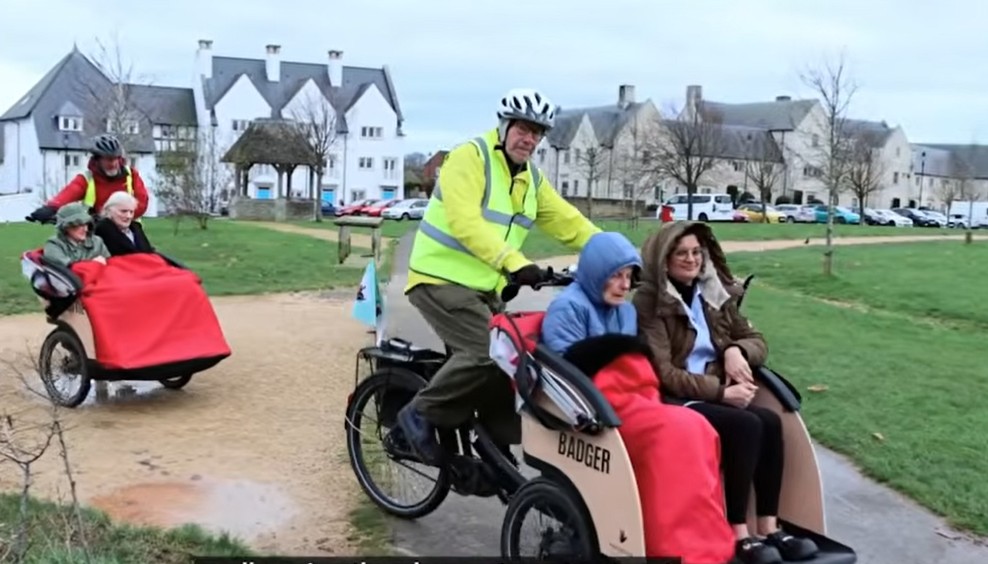
The meeting watched videos featuring the work of the Blackmore Vale Stroke Club and the Cycling without Age project in Dorchester which uses volunteers on rickshaws to take older people out into the community.
Plans for the coming year include strengthening the Dorset Connect networks, supporting the sustainability of volunteer groups, and improving the use of existing community assets.
There will also be a continued emphasis on gathering community intelligence and evidence about what works well.
Councillor Matt Bell, portfolio holder for public health and communities at Dorset Council, said the “volunteer network locally is outstanding and genuinely inspiring.”
Councillor Gill Taylor, portfolio holder for housing and health, praised the impact of the programme, noting that it is currently being delivered by just one part-time member of staff.