






Trevor Bevins, Local Democracy Reporter.
New dog control orders are being considered by Dorset Council after more than 5,000 people took part in a public consultation on proposed restrictions.
A report due before the council’s Place and Resources Overview Committee on October 1 recommends replacing the current Dog-related Public Spaces Protection Order (PSPO) with a new order running from January 1, 2027, until December 31, 2029.
The consultation, which ran for 12 weeks between May and August this year, attracted 5,013 responses. Officers say the majority of respondents backed retaining the existing restrictions, which are designed to protect public health, public safety and animal welfare.
The proposed order would continue requirements for dog owners to keep animals on leads in a number of locations, including cemeteries, formal gardens, council-owned car parks and within five metres of marked sports pitches. Existing restrictions at specific locations such as the Rodwell Trail in Weymouth, Weymouth Esplanade, West Bay Harbour Walk, Lyme Regis seafront pathways and parts of Studland would also remain.
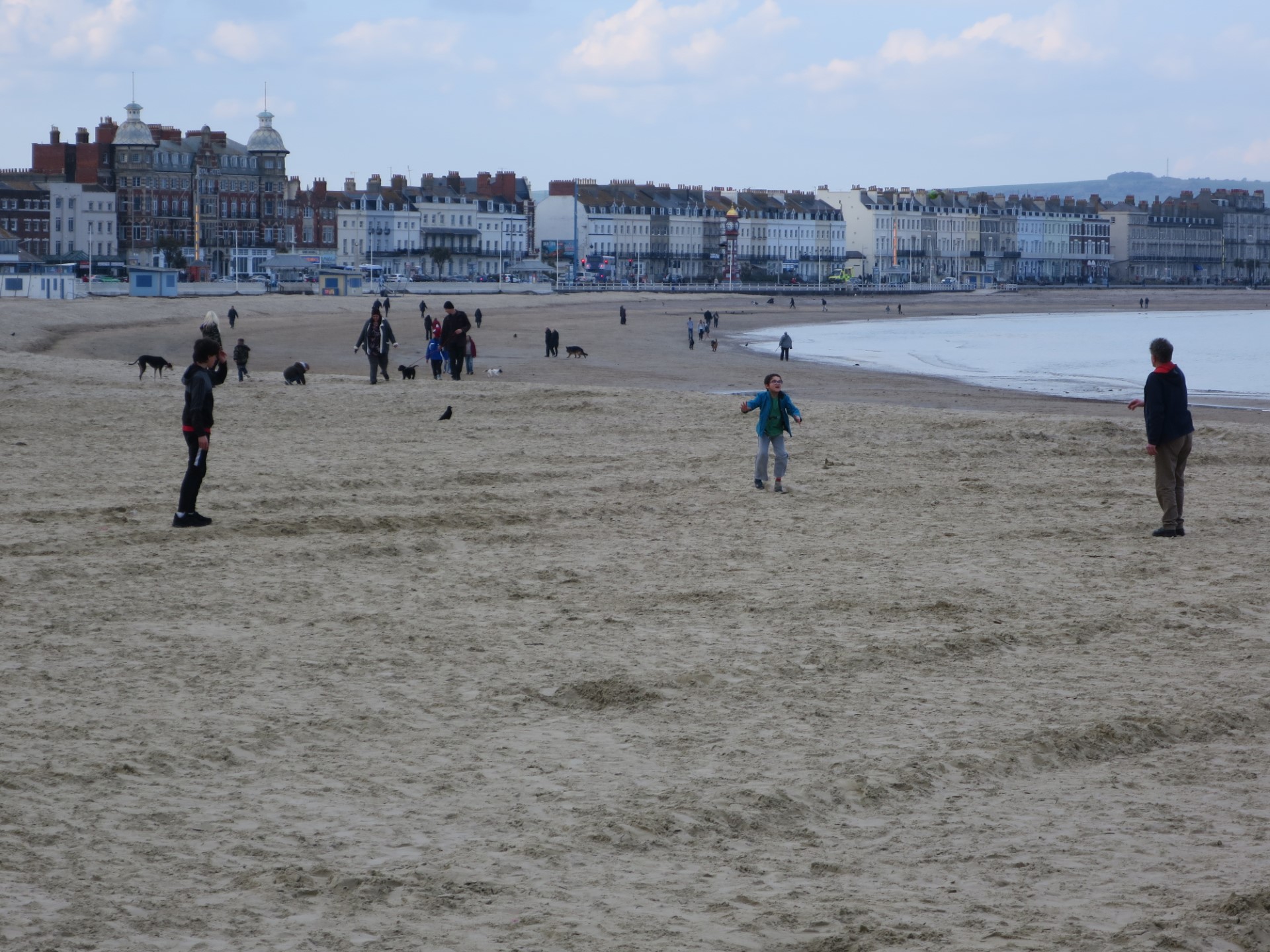
Beach controls generated some of the strongest views. The report recommends keeping the existing seasonal ban on dogs in designated areas between May 1 and September 30. Officers argue this provides clarity for residents and visitors and maintains consistency with neighbouring authorities.
Several well-known Dorset beaches, including Weymouth Central Beach, Lyme Regis Front Beach, Swanage Central Beach, West Bay and Charmouth, would continue to have summer restrictions under the proposals.
The consultation found dog ownership was the biggest factor influencing responses, with non-dog owners generally more likely to favour retaining restrictions and dog owners more likely to support reducing them.
One of the closest results concerned Seatown Beach near Chideock, where opinion was almost evenly split. About 49.7 per cent of respondents favoured removing restrictions, while 49.3 per cent supported retaining them. Despite this, officers recommend no change.
The council says the order also helps tackle issues such as dog fouling, dogs being out of control and disturbance to wildlife, while still recognising the benefits dog ownership brings for exercise, companionship and wellbeing.
Recommendations from the committee will be considered by Dorset Council’s cabinet on November 10.