






by Trevor Bevins, Local Democracy Reporter.
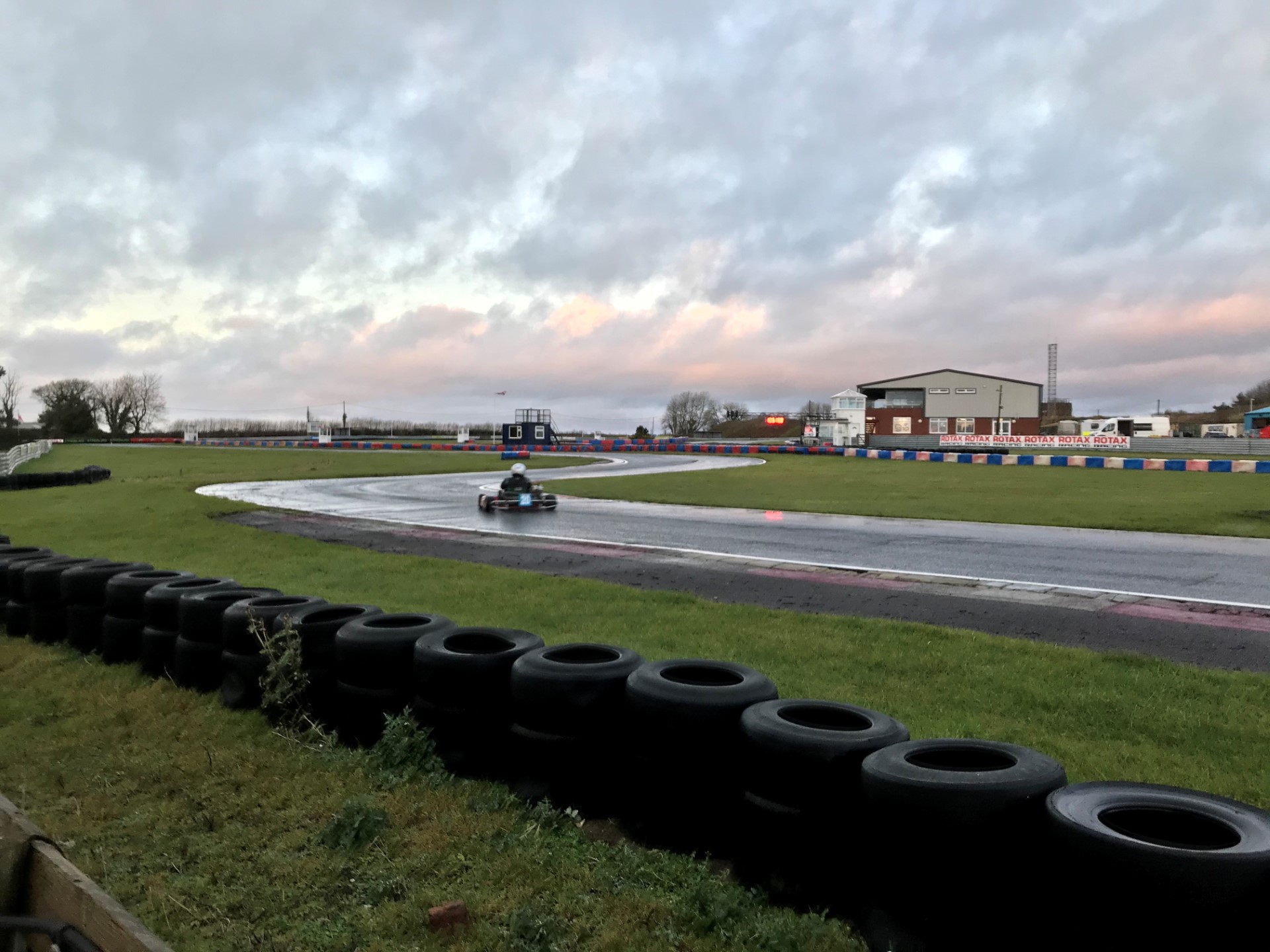
A Dorset karting circuit that helped launch the careers of Formula One legends Jenson Button, Lewis Hamilton and Lando Norris, could be swept away under redevelopment plans for the Clay Pigeon leisure complex.
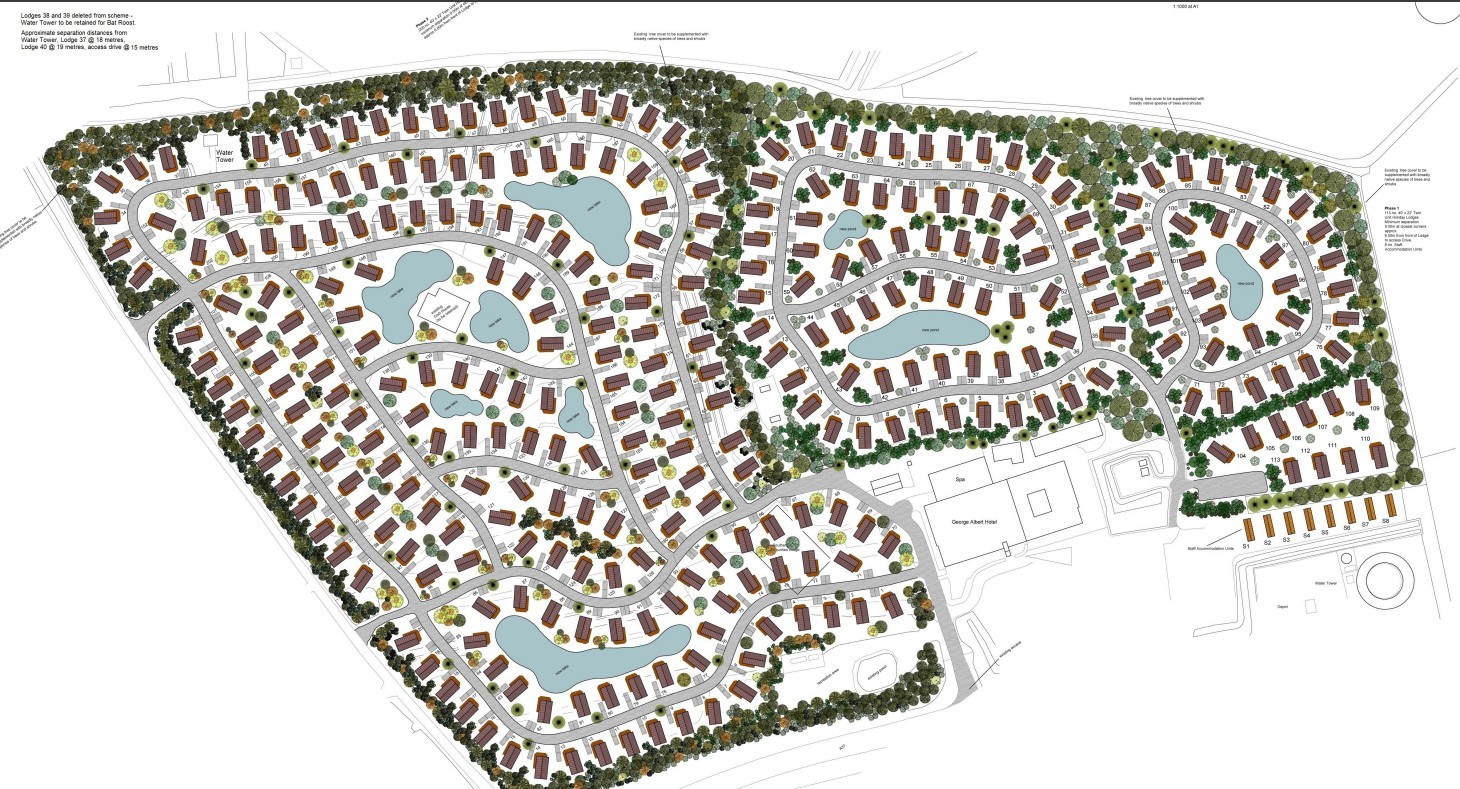
Developers behind the scheme — which would see the transformation of the George Albert Hotel and adjoining Southern Counties Leisure site into a 5‑star holiday lodge park — propose demolishing almost all the existing facilities, including the renowned Clay Pigeon Raceway. The plan replaces the current mix of go‑kart circuit, shooting ground, retail units and static caravan park with hundreds of timber holiday lodges, landscaped grounds, a wildlife pond and expanded hotel amenities.
The loss of the racing circuit, off the A37 Dorchester to Yeovil road, is one of the most sensitive and symbolic elements of the proposal. Planning documents describe the track as “a unique facility” offering an 815‑metre course capable of hosting racing speeds of up to 60mph — a specification that has helped it become a staple of both British and national karting championships.
It is also the track where several of Britain’s greatest modern racing talents first cut their teeth. Jenson Button, the 2009 Formula One World Champion, trained regularly at Clay Pigeon during his early career. Lewis Hamilton also notched a key milestone at the circuit — winning his first race on the very same asphalt now earmarked for demolition. The same course was used by Lando Norris, the current 26-year-old McLaren star.
While the shooting ground at the site has been closed since 2015 due to land contamination from lead pellets, the kart track remains operational — and, according to its website and social media, the operators have “no intention to move,” despite having no control over the proposed development of the land.
Dorset councillors who will meet in the coming week to decide the proposals will be told that only two public comments specifically objected to the loss of the track, with Sport England ultimately raising no objection, concluding that other comparable karting venues lie within acceptable travel distance for racing enthusiasts
Those supporting the redevelopment argue the leisure site would create jobs, boost the local tourism economy and reduce noise pollution across the Dorset National Landscape. Opponents, however, warn of traffic impacts, excessive lodge density, light pollution, pressure on rural infrastructure and the erosion of the landscape’s tranquillity.
The broader site has a long, evolving history — from its origins as a WWII hospital complex to decades of mixed leisure uses including karting, clay shooting, retail units, holiday caravans and now solar energy. The proposed development would retain only the hotel and a revamped holiday‑park function, marking the end of an era for many of its longstanding sporting facilities.
Developers have indicated the scheme would be phased, with the kart track likely to be removed in the later stages. However, planners have raised concerns about how construction, contamination management and on‑site safety would be handled if lodges become occupied before all heavy works are conclude. A condition requiring a detailed phasing plan is expected before any agreement is finalised.
If approved, the transformation would not only reshape the landscape at Wardon Hill — it would also close the chapter on one of the most storied grassroots motorsport venues in the country.
Adjoining parish councils have voiced objections to the proposed Clay Pigeon leisure redevelopment, warning that the scheme is oversized, unsustainable and harmful to the rural landscape.
Both Batcombe and High Stoy Parish Council and Frome Valley Parish Council argue there is insufficient demand for a large holiday park in such a remote location, with poor public transport links and no safe walking or cycling routes. They say the development’s high density, combined with the potential for more than 1,500 guests and hundreds of cars, would place excessive pressure on local roads and infrastructure, particularly the A37 junction.
The two councils highlight likely light pollution, loss of tranquillity and a damaging impact on the visual character of the Dorset landscape.
Frome Valley councillors additionally warn of losing the Clay Pigeon Raceway, a national‑standard karting facility, while Batcombe and High Stoy raise issues about the elevated, weather‑exposed nature of the site and effects on existing residents and local services.