






by Trevor Bevins, Local Democracy Reporter.
Dorset Council has declined to quantify the additional costs it expects as a result of rising fuel prices.
It has also not been able to produce figures for how much the authority, which has declared climate and nature emergencies, uses in fossil fuels each year.
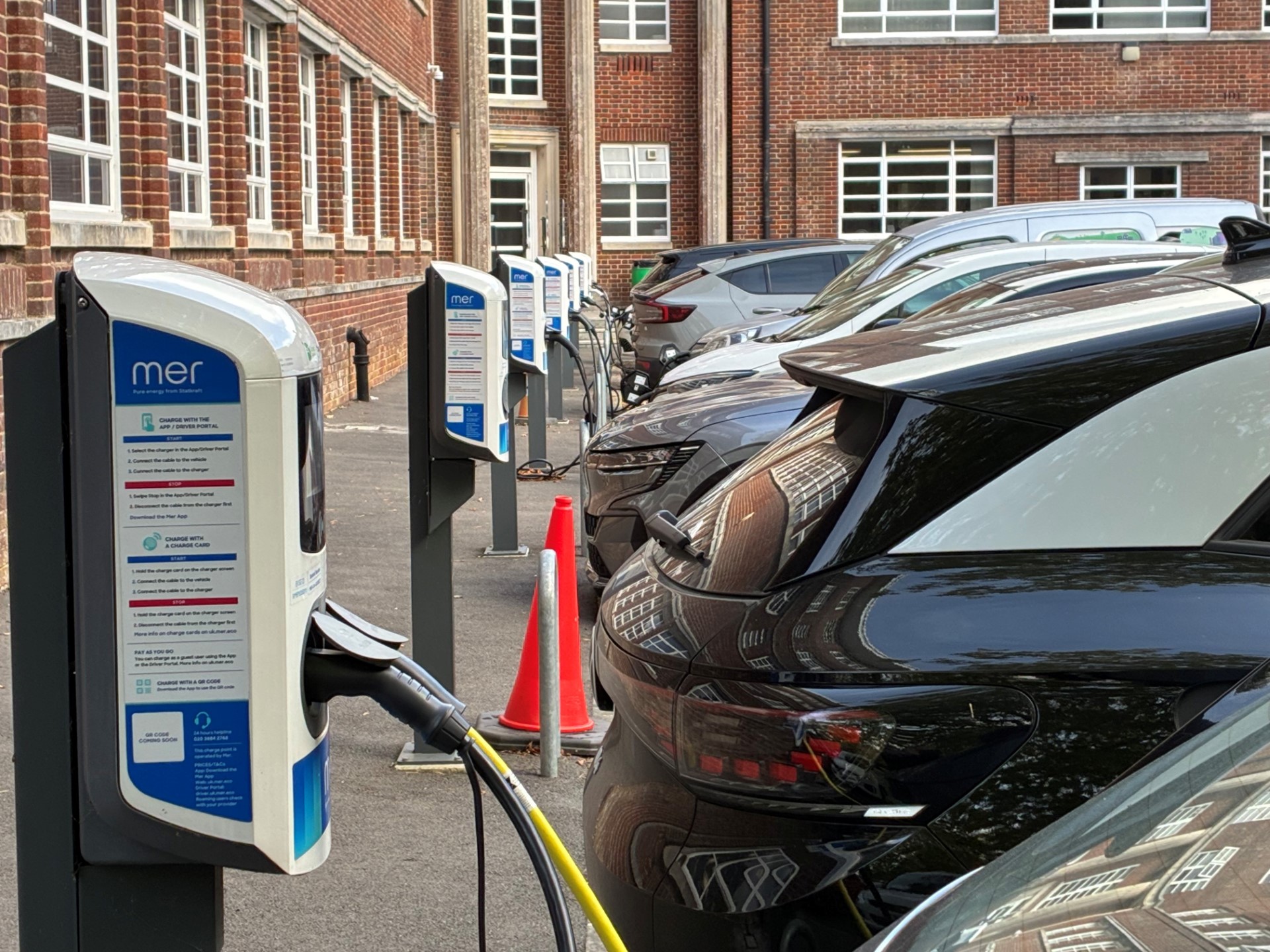
The council runs a fleet of around 440 vehicles (on latest available public figures) ranging from fuel-hungry refuse collection vehicles and a road maintenance fleet to minibuses, small cars and vans used by staff for a range of purposes. It has only a small number of electric vehicles, less per employee, than Dorchester Town Council.
In response to a question about the likely additional financial impact of running these vehicles and, in some cases rural council buildings which operate on heating fuel, a council spokesman gave this reply:
“The council maintains business continuity and response plans for a range of scenarios, working with partners as appropriate to ensure essential services can continue.
“Since Dorset Council first declared a climate emergency in 2019 we have worked to reduce both our impact on the environment and our reliance on fossil fuels. Over the course of a single year we installed energy saving and renewable energy measures at over 200 council-owned sites. We have also transformed how we travel, both reducing emissions and reducing reliance on fossil fuel.”
Dorset Council does not publish a single, clear annual figure for total fleet fuel consumption or its exact cost to taxpayers. The available public documents focus on fleet efficiency, carbon reduction, and management systems—but they do not disclose litres consumed or total annual fuel spend.
From publicly available information the authority appears to have a fleet of 440 vehicles and 800 items of equipment, many of which are powered by fossil fuels.
Some authorities do publish figures for fuel use and the number of vehicles operated.
One council, of a similar size to Dorset, which does publish its figures is the East Riding of Yorkshire Council, which publish a detailed annual greenhouse‑gas emissions reports that includes: Fuel consumption for council fleet vehicles; associated CO2 emissions; breakdown by service area (e.g., waste collection, highways) and trend data over mutiple years.
Across that council’s whole area, not limited to only council activites, total Co2 emissions in 2023 were put at 2,966,900 tonnes, a per-capital emission rate of 8.5 tonnes per person.
The Local Democracy Reporting Service has now sent a Freedom of Information request to Dorset Council to try and obtain similar local figures.
A Dorset Council spokesperson added that help is available for Dorset residents who are struggling with the cost of living, assuming they have internet access – https://www.dorsetcouncil.gov.uk/cost-of-living-help